Instrument List
CEES has the following capabilities, measurement devices, and equipment available for use. Specification sheets for Material Characterization Center instruments are linked on each card.
Texas Tech Material Characterization Center (MCC)
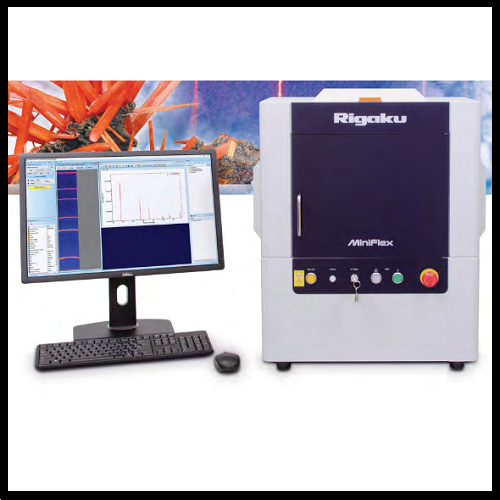
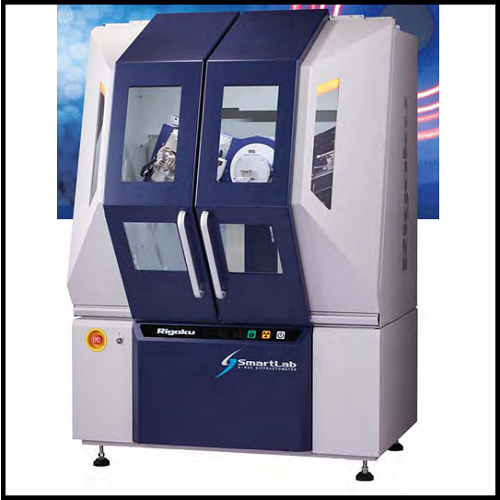
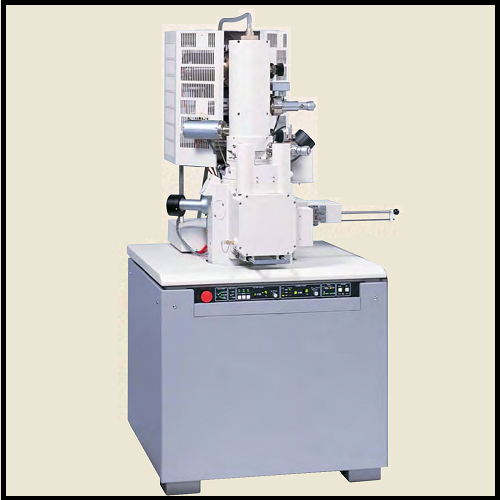
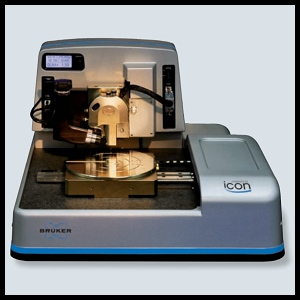
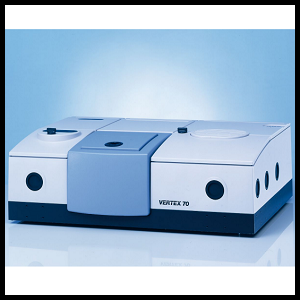
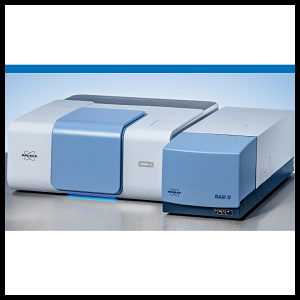
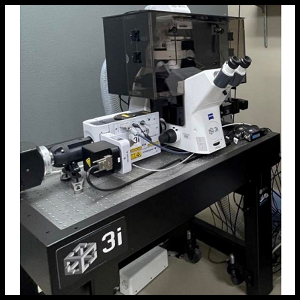
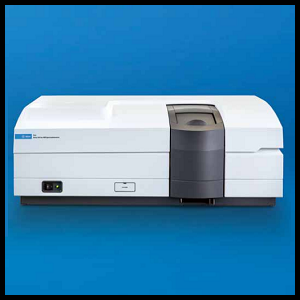
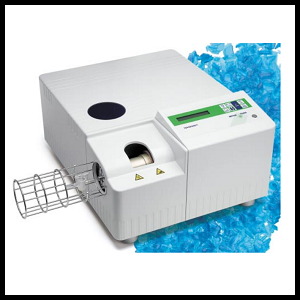
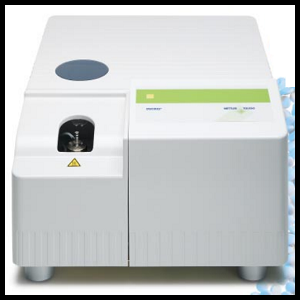
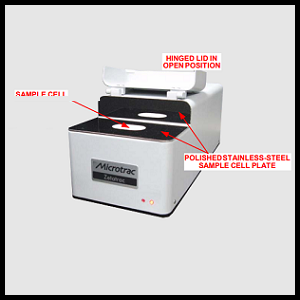
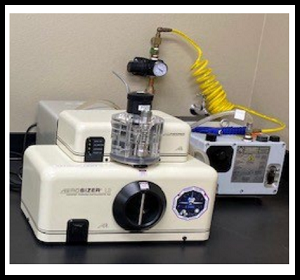
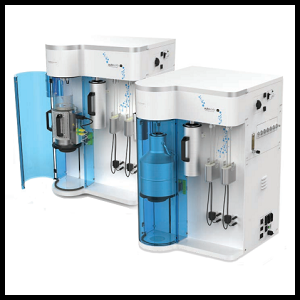
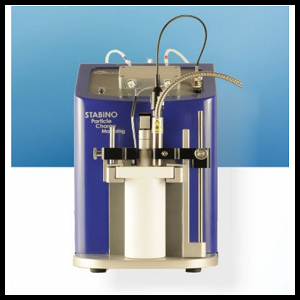
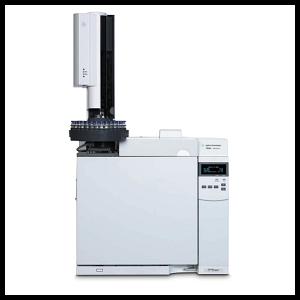
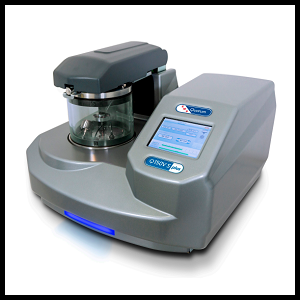
Texas Tech College of Arts & Sciences Microscopy
Texas Tech Geosciences Department
Reese Center Building 61 Laboratory
Our laboratory at Reese Center Building 61 (704 Davis Dr., Lubbock) occupies 10,000 square feet, with dedicated rooms for mass spectrometry, calorimetry, wet chemistry, machining, and laser experiments.
Main laboratory
The main laboratory area has two fume hoods and an emergency safety shower/eye wash station. In this area we have two mass spectrometers, a nitrogen fixation experiment station, near-zero-environment electrochemical setups, an SRS RGA 300 residual gas analyzer, an Eppendorf 5810 centrifuge, a Bruker M1 ORA X-ray fluorescence (XRF) analyzer, and a nanoparticle development and synthesis station.
Calorimetry and wet chemistry
The 600 sq ft calorimetry room has a vacuum calorimeter, a mass spectrometer, and electrocatalytic experiment setups. The wet chemistry room is the same size, with a fume hood, a Millipore deionized water system, and a Carbolite Gero furnace (30–1,200 °C) in which materials are etched and annealed. Chemicals (salts, reagents, acids, glassware, and a glovebox) are safely stored and prepared in the fume hood in this room.
Machine shops and laser room
Metallurgy work is conducted in the 800 sq ft machine shop, used for milling and fabricating materials. The second machine shop, 1,050 sq ft, is used for orbital welding, rolling, and room-temperature air pressing of materials. The 650 sq ft laser experiment room has a mass spectrometer.
All of these rooms have emergency electrical safety, fire extinguishers, a shower/eye wash station, smoke detectors, and oxygen and hydrogen sensors. The building also has about 2,000 sq ft of office space for scientists, a 200 sq ft conference room for group meetings, and a 300 sq ft break room.
In-House Instruments & Methods

Nanoparticle synthesis
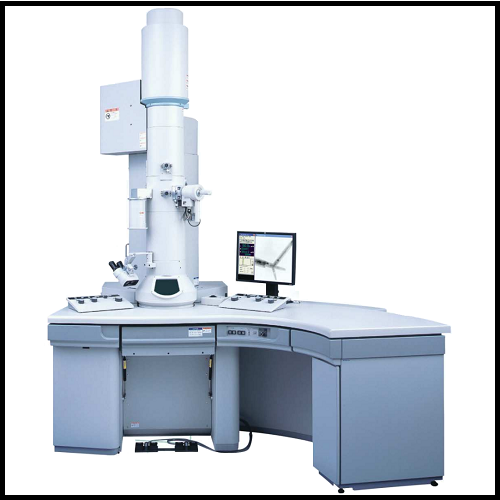
The research group has the expertise and capacity to develop new green nanocatalysts for energy-based research. Over the years we have synthesized nanoparticles (e.g., Pd-alloy or other metallic alloys) with various shapes and sizes (2–100 nm) using a bottom-up approach with a Schlenk line. They are functionalized with ligands such as (−)-epigallocatechin gallate (EGCG), polyamidoamine (PAMAM), sodium carboxymethyl cellulose (NaCMC), cetrimonium bromide (CTAB), sodium dodecyl sulfate (SDS), and biodegradable and natural polymers. Our synthesis strategies focus primarily on laser ablation, sputtering, sonochemical, hydrothermal, and green syntheses. These nanoparticles are characterized by Hitachi H-9500 transmission electron microscopy at an accelerating voltage of 300 kV.
Metallurgy
Our in-house metallurgy instruments are used to fabricate metals into various dimensions and geometries, a top-down approach to nanomaterials synthesis. A Vectrax milling machine (800 rpm) and an Alliant RT2 vertical mill are used to cut metals into the desired shapes. Metals are melted with a Miller XMT 304 CC/CV DC inverter arc welder and cold pressed with a 30-ton Baileigh industrial air press. They are rolled with an electric roller and annealed in a Carbolite Gero furnace (30–1,200 °C) to affect their crystallinity. Materials are baked and cured in a Carbolite Gero oven (30–300 °C). A Bruker X-ray fluorescence (XRF) analyzer is used for elemental analysis of samples.
Electron microscopy
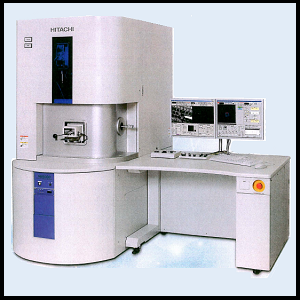
The surface morphology of electrodes used in electrocatalytic experiments is characterized with a Hitachi H-8100 scanning/transmission electron microscope (75–200 kV), and nanoparticles co-deposited on metal electrodes are imaged for crystal formation and growth. The Zeiss Crossbeam 540 FIB-SEM enables imaging at extremely low kV and high FIB currents of 100 nA, with a resolution of 50k × 40k pixels. Energy dispersive spectroscopy (EDS) detectors on our SEM/TEM enable analysis of the energy spectrum of different elements.
Our Hitachi S-3400 scanning electron microscope has an accelerating voltage of 30 kV with a tungsten filament, and both backscatter electron (BSE) and secondary electron (SE) detectors. Its 5-axis motorized stage is fully eucentric and can analyze samples up to 25 cm in diameter. The adjustable pressure mode allows BSE observation from 6–270 Pa, and a Deben Peltier cool stage controls moisture loss in low-vacuum mode.
The Hitachi H-7650 transmission electron microscope is used for imaging thanks to its sensitive camera and 120 kV accelerating voltage. The electron beam dose can be as low as 10−12 C/cm2 for image observation. Maximum resolution is 0.36 nm point-to-point, and the bottom-mounted camera is 4 megapixels (AMT XR-41). Magnification ranges are 50×–1,000× in low-mag mode, 20×–200,000× in HC mode, and 3,000×–600,000× in HR mode.
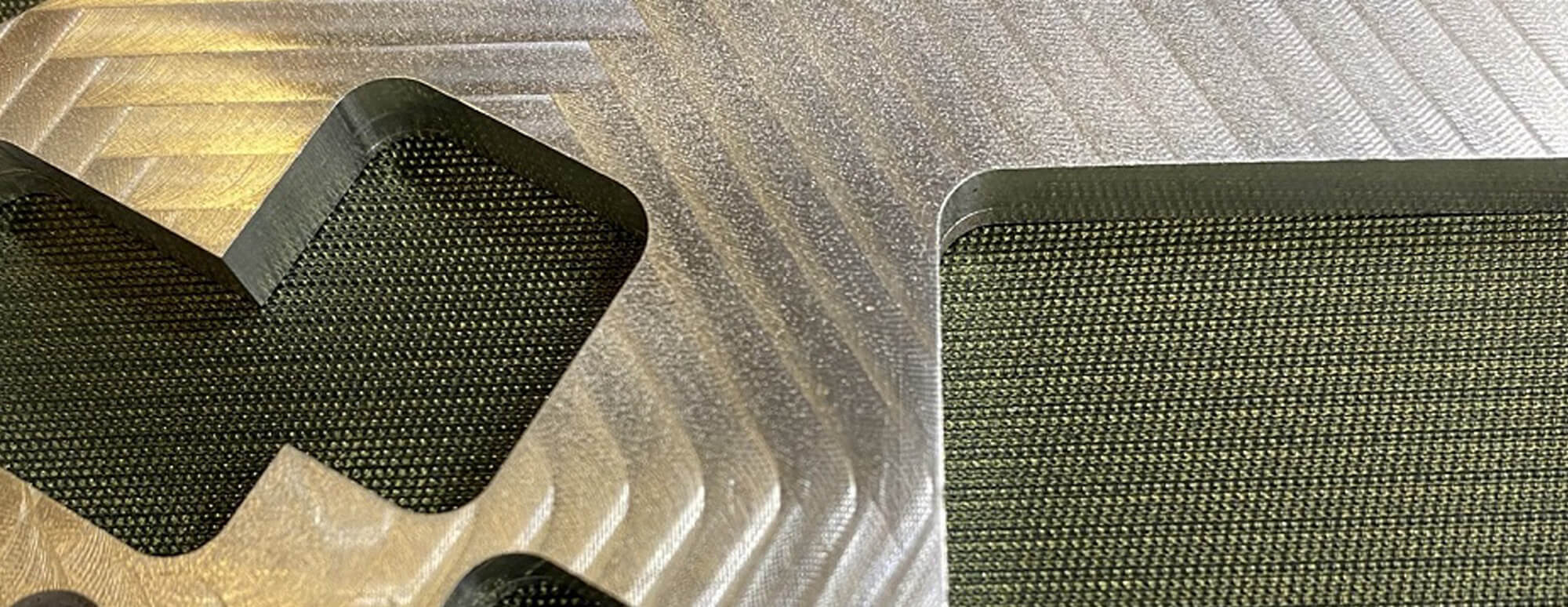
Machining, CNC Milling & 3D Printing
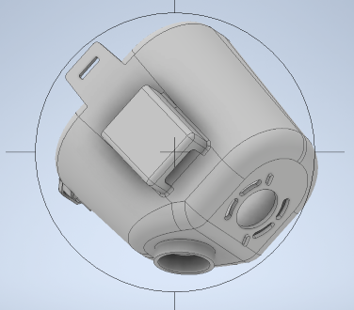
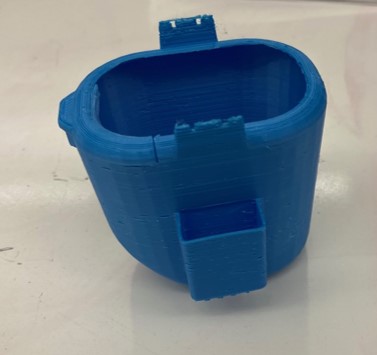
We provide access to top-quality components suitable for fast prototyping and low-volume industrial production through FDM 3D printing. Our FDM services cater to quick-turn manufacturing, using a wide range of durable materials suitable for various applications. With our efficient processes, we can create printed parts within two days.
FDM 3D printing
FDM 3D printing, also known as fused deposition modeling, creates custom parts by layering and extruding thermoplastics. This technology is ideal for both initial and functional prototyping, as well as low-volume production, offering a wide selection of robust plastic materials. Despite being a cost-effective solution, FDM goes beyond small-scale manufacturing. With FDM you gain access to a range of thermoplastics such as PLA, ABS, TPU, PETG, and PEI, with a dimensional accuracy of ±0.5% and a lower limit of ±0.5 mm (0.0196″).
Resin 3D printing
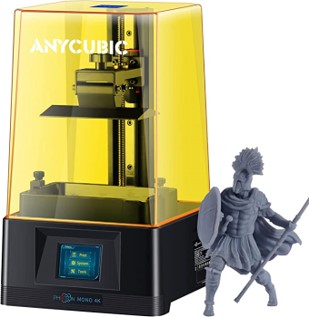
Resin 3D printing, commonly referred to as stereolithography (SLA), is an advanced 3D printing technique renowned for its ability to create high-resolution parts with exceptional accuracy, intricate details, and smooth surface finishes. As a member of the vat photopolymerization family, SLA employs photosensitive thermoset polymers to produce customized components.
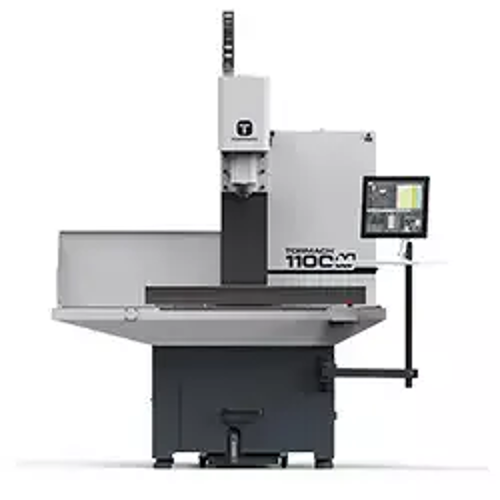
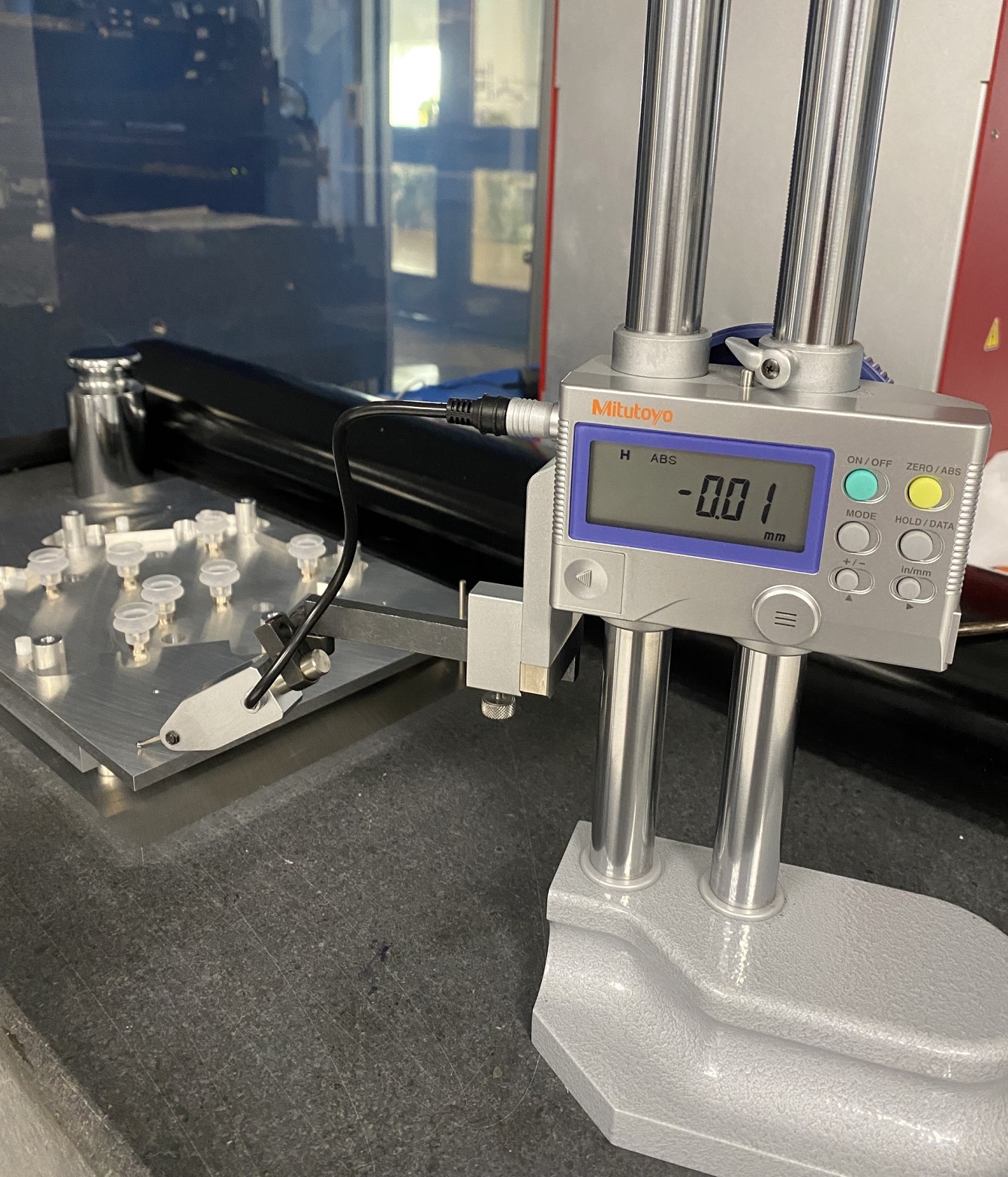
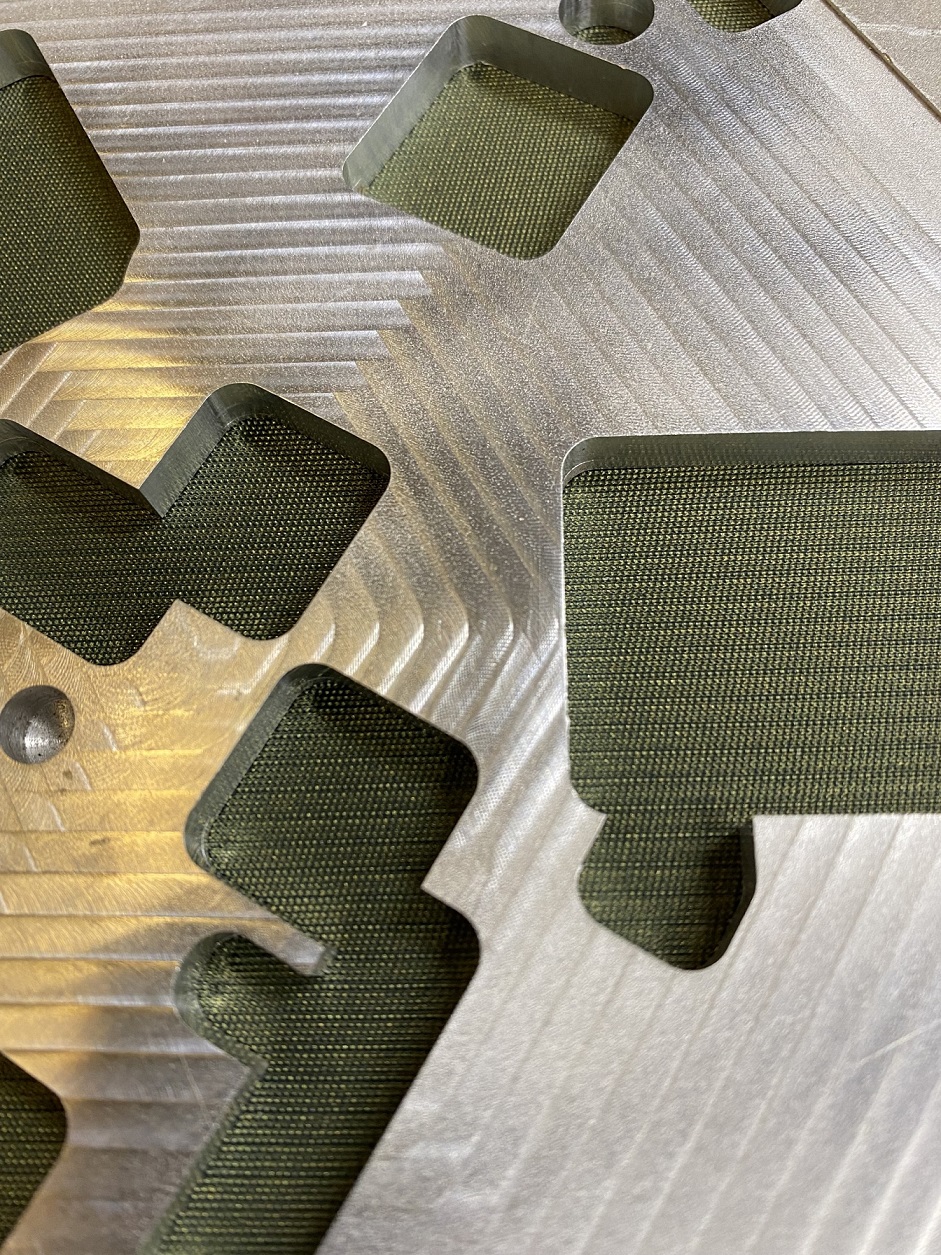
CNC milling
CNC milling uses rotating cutting tools to selectively remove material from a workpiece, producing finished parts and products. This versatile technique is suitable for metals, polymers, wood, and glass. CNC milling systems typically operate along three linear axes (X, Y, and Z), providing exceptional precision and intricate detail.
Orbital Welding
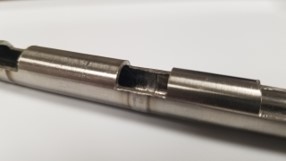
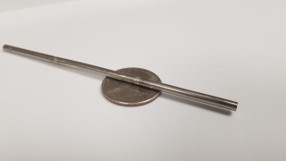
We provide orbital welding for tubing from 1/8″ to 1/2″ in diameter. Contact us to discuss your requirements.
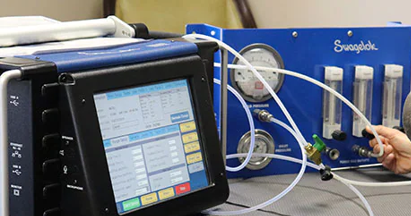
Swagelok orbital welding
The Swagelok M200 Orbital Welding System is a state-of-the-art unit with a color touch screen, featuring a wide range of size and material capabilities, plus accessories that can be customized to your job requirements.
CEES orbital welding
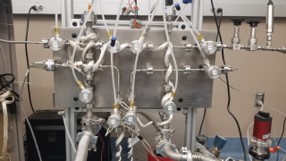
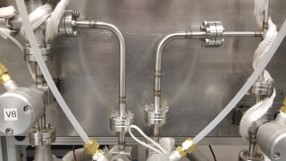
We developed a bellows valve system using CF flanges through orbital welding. This system offers flexibility for replacement while providing significant advantages such as ultrahigh-vacuum compatibility and the ability to be baked out. Compared to VCR fittings it offers greater rigidity, and in hermeticity it surpasses Swagelok compression fittings. To our knowledge, no other provider offers valves of this kind. These valves can also be used in helium-leak-free manifolds.